Basement flooding happens more often than many homeowners expect in older Vancouver houses. Heavy rainfall, aging drains, and sewer backups all increase risk. When water enters the lower level of your home, it does more than damage flooring. It threatens wiring, panels, and heating systems. That is why many homeowners begin by learning how strong Vancouver plumbing protection reduces both water damage and electrical danger.
Flooding and electricity never mix. Even small amounts of water create serious safety problems inside walls and mechanical rooms.
Here is what you need to know.
Why Basement Flooding Is Common in Vancouver Homes
Many Vancouver neighbourhoods include houses built decades ago. These homes often rely on older drainage systems that struggle during heavy rain.
Basement flooding usually starts with:
- blocked main drains
- tree root intrusion
- missing backwater valves
- aging sewer connections
- poor grading around the foundation
Once water enters the basement, it spreads quickly toward electrical equipment located near floor level.
Electrical Panels Often Sit in High Risk Areas
In many older homes, electrical panels are installed in basements. This made sense when houses were first built. Today, it creates a serious hazard during flooding.
Water reaching the panel can:
- damage breakers
- cause corrosion inside circuits
- create shock risk
- increase fire danger after drying
Even shallow flooding affects wiring performance long after the water disappears.
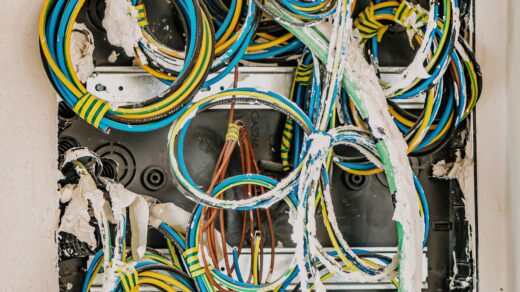
Wiring Inside Walls Absorbs Moisture
Basement flooding rarely stays visible on the surface. Moisture travels behind drywall and insulation. Electrical wiring inside these spaces becomes exposed to damp conditions.
This leads to:
- hidden corrosion
- unstable connections
- breaker trips
- long term safety concerns
These problems often appear weeks after the flooding event.
Furnace and Boiler Systems Face Electrical Risk Too
Most heating systems in Vancouver basements rely on electrical components. Furnaces, boilers, and heat pumps all depend on control boards and wiring.
Floodwater reaching these systems can stop them from working safely.
You may notice:
- heating that turns off without warning
- unusual system noises
- warning lights on equipment
- repeated shutdown cycles
Protecting the drainage system protects your heating equipment at the same time.
Sump Pump Failure Makes Flooding Worse
Sump pumps reduce basement flooding risk. But older homes often lack one. Others rely on pumps that no longer work properly.
When pumps fail during storms, water levels rise fast. Electrical outlets and wiring near the floor become exposed first.
Installing a modern sump pump reduces pressure on both plumbing and electrical systems.
Sewer Backups Increase Electrical Danger
Sewer backups create more damage than clean rainwater flooding. Wastewater carries debris and bacteria that affect wiring and equipment surfaces.
After a sewer backup, electrical inspection becomes essential before systems return to normal use.
Ignoring this step increases fire risk later.
Warning Signs That Flooding Has Affected Electrical Safety
Some signs appear right away. Others show up slowly over time.
Watch for:
- lights flickering after flooding
- outlets that stop working
- breakers that trip often
- burning smells near the panel
- rust forming around electrical fixtures
These signals mean water has already affected internal systems.
Why Prevention Matters More Than Repairs
Fixing electrical damage costs more than preventing flooding in the first place. A strong drainage system protects the entire structure of your home.
Prevention steps include:
- inspecting the main sewer line
- installing backwater valves
- maintaining floor drains
- checking foundation drainage
- upgrading aging pipes
Each improvement lowers the chance of water reaching electrical areas.
Character Homes Face Higher Risk
Homes built before 1970 often place wiring closer to basement floors than modern houses. Drainage layouts also differ from today’s standards.
This combination increases exposure during storms.
Older Vancouver homes commonly experience:
- shallow floor drain systems
- clay sewer connections
- aging pipe materials
- limited backflow protection
Understanding these weaknesses helps you act before flooding spreads.
When to Schedule a Plumbing Inspection After Flooding
After any basement flooding event, plumbing inspection should happen quickly. Small drainage failures often lead to repeat problems later.
Inspection helps identify:
- blocked sewer lines
- damaged pipe sections
- weak drainage slopes
- missing backflow protection
Fixing these issues early protects both electrical safety and property value.
Basement flooding affects more than what you can see. Protecting drainage systems keeps your home safer, drier, and more reliable during Vancouver’s wet seasons.