Most homeowners think of roof damage as a leak problem. Water stains on ceilings. Drips in the attic. Wet insulation. What many people miss is the hidden risk behind those signs. Roof damage often leads straight to electrical trouble inside your home.
In Burnaby, where long rain seasons and windstorms are part of daily life, this connection becomes even more serious. When water enters your roof structure, it rarely stays in one place. It travels. It spreads. It reaches wiring, fixtures, and panels faster than you expect. That is why many homeowners turn to Burnaby roofing contractors to inspect early warning signs before hidden damage spreads further.
Understanding how this happens helps you act early and avoid expensive repairs.
Why Roof Damage Often Turns Into Electrical Problems
Your roof protects more than shingles and plywood. It protects the wiring that runs through your attic and ceiling spaces.
Once moisture gets inside, it creates three major risks:
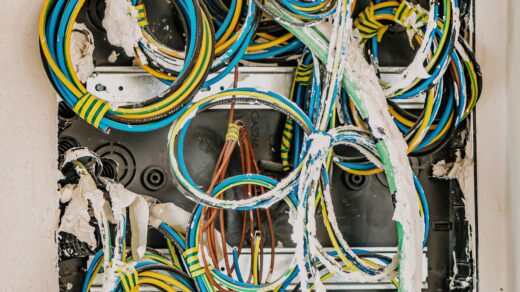
- Exposed wiring becomes unsafe
- Electrical connections weaken
- Insulation around wires breaks down
These problems do not stay small. They grow quickly. Water changes how electricity moves through your home. That increases the chance of short circuits and fire hazards.
Even a slow leak creates long term damage if ignored.
Common Causes of Roof Damage in Burnaby Homes
Burnaby homes face steady pressure from coastal weather. Rainfall lasts for months. Wind lifts shingles. Moss traps moisture on roof surfaces. Over time, these conditions open entry points for water.
The most common causes include:
- Missing shingles after windstorms
- Cracked flashing around vents
- Blocked gutters forcing water under roofing layers
- Aging roof materials
- Moss buildup holding moisture against the surface
Each of these issues allows water to move closer to your electrical system. Once water reaches attic space, the risk increases fast.
Warning Signs Water Has Reached Electrical Areas
Many homeowners notice roof problems late because the first signs appear inside the house, not on top of it.
Watch for warning signals, including flickering ceiling lights, burning smells near fixtures, stains around light switches, circuit breakers tripping without reason, buzzing sounds inside walls, and wet attic insulation.
These are not minor problems. They show water has already reached sensitive electrical areas. Acting early protects both your property and your safety.
The Hidden Role of the Attic
Your attic is where roofing and electrical systems meet. This space holds wiring, junction boxes, insulation, and ventilation paths. When roof damage allows water inside, the attic becomes the first contact point.
Moist insulation traps water against wiring. Wood framing absorbs moisture and spreads it across ceiling cavities. Small leaks turn into wide areas of exposure within weeks.
Many homeowners never check their attic until visible damage appears inside living areas. By then, electrical repairs become more complex. Routine attic inspections help stop this chain reaction early.
Storm Damage Creates the Highest Risk
Heavy rainstorms in Burnaby create the fastest path from roof failure to electrical trouble.
Strong wind lifts shingles. Rain pushes under exposed edges. Water enters through vents and flashing gaps. Once inside, it travels along rafters and framing until it reaches wiring channels. This movement happens quietly. You rarely see it at first.
After a storm, your home needs a roof inspection even if everything looks normal from the ground. Hidden moisture causes the most serious electrical problems later.
Why Roof Leaks Near Electrical Fixtures Are Dangerous
Ceiling lights and bathroom fans sit directly below roof structures. When leaks form above them, water flows toward wiring connections.
According to fire safety guidance from the Government of Canada, moisture around electrical systems increases the risk of shock and fire hazards inside homes due to the following reasons:
- Metal fixtures carry current differently when wet
- Wire insulation weakens
- Breaker panels respond unpredictably
- Overheating becomes more likely
These conditions increase fire risk inside ceiling cavities where damage stays invisible. Protecting these areas starts with fixing roof problems quickly.
What You Should Do If You Suspect Roof Related Electrical Damage
Many homeowners call an electrician first when lights flicker. Others call a roofer first when they see water stains. In reality, both systems connect.
Start with a roof inspection. Stopping water entry protects everything below it. Then have electrical areas checked for moisture exposure. This prevents hidden damage from spreading through walls and ceilings.
Delaying action allows small repairs to turn into full system replacements.
How to Prevent Roof Damage From Affecting Your Wiring
Simple steps reduce the chance of serious problems later:
- Check gutters twice each year
- Remove moss from roof surfaces
- Inspect attic insulation after storms
- Watch for stains around ceiling fixtures
- Schedule roof inspections every few years
- Repair flashing around vents and skylights early
These actions protect both your roof and your electrical system at the same time.
When to Call Burnaby Roofing Contractors
If you notice water stains near lights or attic wiring, you need a professional inspection right away. Roof problems do not stay isolated. They move deeper into your home structure.
Working with experienced roofing contractors in Burnaby helps you find hidden damage early and stop moisture before it reaches electrical components. A proper inspection protects your wiring, insulation, and ceiling structure at the same time.
Fast action keeps repair costs lower and reduces safety risks inside your home.
Protecting Your Home Starts at the Roof
Your roof controls what enters your house. When it fails, moisture spreads into spaces you never see. Electrical wiring sits directly in that path.
Ignoring roof damage puts more than shingles at risk. It affects lighting, breaker panels, attic insulation, and even fire safety inside your walls.
Checking your roof after storms and repairing small problems early protects everything underneath it. That includes the electrical system your family depends on every day.